Clear guidance
Exploring the Benefits and Risks of Daily Ginger Capsule Consumption
Discover the health benefits and potential risks of taking ginger capsules daily. Learn how to safely incorporate this powerful supplement into your routine.

Ginger capsules have gained significant popularity in recent years as a convenient way to harness the numerous health benefits associated with ginger, a spice that has been revered for its medicinal properties for thousands of years. Traditionally used in various cultures, ginger has been a staple in herbal medicine, known for its ability to alleviate nausea, reduce inflammation, and support digestive health. With the rise of dietary supplements, ginger capsules offer an easy and effective means for individuals to incorporate this powerful root into their daily routines without the need for cooking or preparation. If you're also curious about other supplements, you might wonder, "How long does delta 8 take to" produce its effects compared to ginger capsules. The active compounds found in ginger, particularly gingerol, are responsible for many of its therapeutic effects. offer an easy and effective means for individuals to incorporate this powerful root into their daily routines without the need for cooking or preparation. If you're also curious about other supplements, you might wonder, "How long does delta 8 take to" produce its effects compared to ginger capsules. The active compounds found in ginger, particularly gingerol, are responsible for many of its therapeutic effects.
These compounds have been shown to possess potent anti-inflammatory and antioxidant properties, making ginger a valuable ally in promoting overall health. As more people seek natural alternatives to conventional medications, the interest in ginger supplements has surged. Many individuals turn to ginger capsules not only for their potential health benefits but also for their ease of use and precise dosing. However, while the benefits of ginger are well-documented, it is essential to approach the use of ginger supplements with caution. Daily consumption of ginger capsules can lead to various health outcomes, both positive and negative.
Understanding the potential risks associated with excessive intake or interactions with other medications is crucial for anyone considering adding these supplements to their regimen. In this article, we will explore the multifaceted nature of ginger capsules, delving into their benefits and risks to provide a comprehensive overview for those interested in enhancing their health through this ancient remedy.
What Are Ginger Capsules?
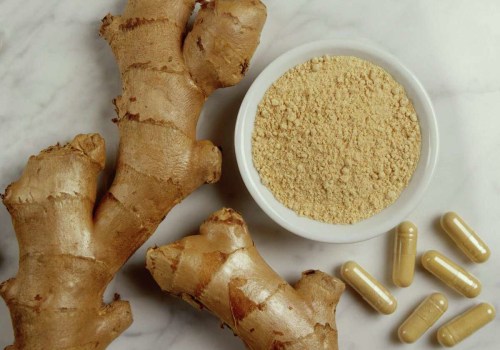
Ginger capsules are a convenient and concentrated form of ginger, a spice renowned for its numerous health benefits. These capsules typically contain powdered ginger root or ginger extract, allowing individuals to easily incorporate this potent herb into their daily routine without the need for cooking or preparing fresh ginger. The process of making ginger capsules begins with harvesting mature ginger roots, which are then cleaned and dried. Once dried, the roots are ground into a fine powder or processed into a concentrated extract.This extract is often standardized to ensure that it contains a specific amount of active compounds, such as gingerol , which is responsible for many of ginger's health-promoting properties. The powdered form or extract is then encapsulated in gelatin or vegetarian capsules, making it easy to swallow. There are several forms of ginger supplements available on the market, each offering unique benefits:
- Ginger Powder: This is the most basic form of ginger supplement, made from ground ginger root. It can be added to smoothies, teas, or taken in capsule form.
- Ginger Extract: A more concentrated form that contains higher levels of active compounds. Ginger extract is often used for its enhanced potency and effectiveness in addressing specific health issues.
- Ginger Oil: Extracted from the ginger root, this oil can be used for aromatherapy or topical applications but is not typically consumed.
- Fresh Ginger: While not a supplement in capsule form, fresh ginger can be juiced or used in cooking to reap its benefits.
For instance, some products may combine ginger with other herbs or vitamins to provide synergistic benefits. In summary, ginger capsules offer a practical way to enjoy the health benefits of ginger without the hassle of preparation. By understanding the different forms of ginger supplements available, consumers can make informed choices that align with their health goals.
Health Benefits of Taking Ginger Capsules Daily
Daily consumption of ginger capsules can offer a multitude of health benefits, making them a popular choice for those seeking natural remedies. One of the most notable advantages is their potent anti-inflammatory properties. Ginger contains bioactive compounds, particularly gingerol, which have been shown to reduce inflammation in the body.This can be particularly beneficial for individuals suffering from chronic inflammatory conditions such as arthritis or inflammatory bowel disease. By incorporating ginger capsules into your daily routine, you may experience a reduction in joint pain and improved mobility. In addition to their anti-inflammatory effects, ginger capsules are renowned for their ability to alleviate nausea. This is especially relevant for pregnant women experiencing morning sickness or individuals undergoing chemotherapy. Studies have indicated that ginger can be more effective than some conventional medications in reducing nausea and vomiting, providing a natural alternative for those seeking relief. Moreover, ginger has been linked to improved digestive health.
It aids in the digestion process by stimulating saliva, bile, and gastric enzymes, which can help prevent issues such as bloating and indigestion. Regular intake of ginger capsules may promote a healthier gut environment, potentially reducing the risk of gastrointestinal disorders. Furthermore, emerging research suggests that ginger may play a role in managing chronic diseases. For instance, its antioxidant properties can help combat oxidative stress, which is a contributing factor to conditions like heart disease and diabetes. Some studies have indicated that ginger may help lower blood sugar levels and improve insulin sensitivity, making it a valuable supplement for those with type 2 diabetes. In summary, the health benefits of taking ginger capsules daily are extensive.
From their anti-inflammatory effects to their ability to alleviate nausea and support digestive health, these capsules offer a convenient way to harness the medicinal properties of ginger. As with any supplement, it is advisable to consult with a healthcare provider before starting a new regimen, especially if you have existing health conditions or are taking other medications.
Ginger Capsules and Digestive Health
Ginger has long been celebrated for its remarkable ability to support digestive health. The active compounds in ginger, particularly gingerol, have been shown to possess properties that can alleviate various digestive issues. One of the most notable benefits of ginger is its effectiveness in reducing nausea, making it a popular choice for those seeking relief from motion sickness, morning sickness during pregnancy, or nausea related to chemotherapy. When taken in the form of ginger capsules, the convenience and dosage control make it easier for individuals to incorporate this powerful herb into their daily routine.Studies have indicated that ginger can significantly reduce the severity and frequency of nausea. For instance, a review of multiple studies found that ginger was more effective than a placebo in alleviating nausea and vomiting during pregnancy, providing a natural alternative for expectant mothers. In addition to its anti-nausea effects, ginger also promotes overall digestive function. It aids in the secretion of digestive enzymes, which can enhance the breakdown of food and improve nutrient absorption. This is particularly beneficial for individuals who experience digestive discomfort or irregularities such as bloating or gas.
- Enhances Digestion: Ginger stimulates saliva production and bile secretion, both of which are essential for proper digestion.
- Reduces Bloating: By promoting efficient digestion, ginger can help minimize feelings of fullness and bloating after meals.
- Soothes Stomach Discomfort: The anti-inflammatory properties of ginger can help calm an upset stomach and reduce irritation in the gastrointestinal tract.
Regular consumption can lead to improved gut health by balancing stomach acidity and promoting a healthy microbiome. This is crucial as an imbalanced gut flora can lead to various digestive issues, including irritable bowel syndrome (IBS) and other gastrointestinal disorders. However, while ginger is generally safe for most people when consumed in moderation, it is essential to consult with a healthcare provider before starting any new supplement regimen, especially for those with existing health conditions or those taking medications that may interact with ginger. In summary, ginger capsules offer a convenient way to harness the digestive benefits of ginger. From alleviating nausea to enhancing overall digestive function, this natural remedy can be a valuable addition to your health routine.
Potential Risks and Side Effects of Ginger Capsules
While ginger capsules are widely recognized for their health benefits, it is essential to consider the potential risks and side effects associated with their daily consumption. Understanding these risks can help individuals make informed decisions about incorporating ginger into their wellness routines.Ginger Capsules Side Effects
-
Gastrointestinal Issues: One of the most common side effects of taking ginger capsules is gastrointestinal discomfort.
This can manifest as symptoms such as heartburn, diarrhea, and stomach upset. These issues are often linked to the high concentration of gingerol in capsules, which can irritate the digestive tract when consumed in excess.
- Allergic Reactions: Although rare, some individuals may experience allergic reactions to ginger. Symptoms can include rash, itching, or difficulty breathing. If any of these symptoms occur after taking ginger capsules, it is crucial to seek medical attention immediately.
-
Blood Thinning Effects: Ginger has natural blood-thinning properties, which can be beneficial for some but may pose risks for others.
Individuals taking anticoagulant medications or those with bleeding disorders should consult a healthcare provider before using ginger supplements to avoid potential complications.
Risks of Taking Ginger Daily
Daily consumption of ginger capsules can lead to several risks, particularly if taken in high doses. The recommended daily intake for most adults is between 1 to 3 grams. Exceeding this amount can increase the likelihood of adverse effects.
- Overdose Symptoms: Taking more than the recommended dosage of ginger can lead to overdose symptoms such as nausea, vomiting, and abdominal pain. In severe cases, excessive ginger intake may result in more serious health issues.
-
Interactions with Medications: Ginger may interact with various medications, including blood thinners and diabetes medications.
This interaction can either enhance or diminish the effectiveness of these drugs, leading to unintended health consequences.
Recommended Dosage and Guidelines for Ginger Capsules
When considering the incorporation of ginger capsules into your daily routine, understanding the appropriate dosage is crucial for maximizing health benefits while minimizing potential risks. The recommended dosage can vary based on individual health conditions, age, and specific health goals.General Dosage Recommendations
- For most adults, a daily intake of 1 to 3 grams of ginger is considered safe and effective. This can be achieved through ginger capsules, which typically contain concentrated amounts of ginger extract.
- It is advisable to start with a lower dose, such as 500 mg per day, and gradually increase it to assess tolerance and effectiveness.
- For those using ginger for specific health issues, such as nausea or inflammation, higher doses may be beneficial.
However, it is essential to consult with a healthcare provider before exceeding the standard dosage.
Special Considerations
- Pregnant Women: Pregnant individuals should limit their ginger intake to 1 gram per day. Ginger has been shown to alleviate morning sickness, but excessive consumption may lead to complications.
- Children: Ginger is not recommended for children under the age of 2.For older children, consult a pediatrician for appropriate dosing guidelines.
- Individuals on Medication: If you are taking medications, particularly blood thinners or diabetes medications, it is crucial to discuss ginger supplementation with your healthcare provider to avoid potential interactions.
Monitoring Your Response
As with any supplement, monitoring your body's response to ginger capsules is essential. If you experience any adverse effects such as gastrointestinal discomfort, heartburn, or allergic reactions, consider reducing the dosage or discontinuing use altogether. Keeping a journal of your symptoms and dosage can help you and your healthcare provider make informed decisions about your ginger intake. In summary, while ginger capsules can offer numerous health benefits when taken correctly, adhering to recommended dosages and consulting with a healthcare professional will ensure safe and effective use.
Who Should Avoid Ginger Capsules?
While ginger capsules offer numerous health benefits, certain individuals should exercise caution or avoid them altogether.Understanding who should limit their intake of ginger supplements is crucial for safety and to prevent potential adverse effects.
Pregnant Women
Pregnancy is a time when women must be particularly careful about their dietary choices. Although ginger is often recommended to alleviate nausea during pregnancy, pregnant women should limit their intake of ginger capsules to no more than 1 gram per day. High doses of ginger may lead to complications such as increased risk of bleeding, especially during labor. Therefore, it is essential for expectant mothers to consult with their healthcare provider before incorporating ginger supplements into their routine.Individuals with Blood Disorders
People who have blood disorders or are on anticoagulant medications should also be cautious with ginger capsules.Ginger has natural blood-thinning properties, which can exacerbate bleeding issues. If you have conditions such as hemophilia or are taking medications like warfarin or aspirin, it is advisable to discuss the use of ginger supplements with your doctor.
Those with Gastrointestinal Issues
Individuals suffering from gastrointestinal disorders, such as acid reflux, ulcers, or irritable bowel syndrome (IBS), may experience worsened symptoms when taking ginger capsules. While ginger can aid digestion for some, it can also lead to increased heartburn and discomfort in sensitive individuals. If you have a history of digestive issues, consider consulting a healthcare professional before starting any ginger supplement regimen.Children Under Two Years Old
Ginger is not recommended for children under the age of two due to the potential for adverse effects.Young children have delicate digestive systems that may react negatively to concentrated forms of ginger found in capsules. For parents considering natural remedies for their children, it is best to seek advice from a pediatrician.
People with Allergies
Lastly, individuals who are allergic to ginger or related plants should avoid ginger capsules entirely. Allergic reactions can range from mild symptoms like skin rashes to severe reactions such as anaphylaxis. If you have a known allergy to ginger, it is crucial to steer clear of any products containing this spice. In summary, while ginger capsules can be beneficial for many, certain groups should approach their use with caution.Pregnant women, individuals with blood disorders, those suffering from gastrointestinal issues, young children, and people with allergies should consult healthcare professionals before adding ginger supplements to their diets.
Interactions with Medications and Other Supplements
When considering the incorporation of ginger capsules into your daily routine, it is essential to understand how they may interact with various medications and other supplements. Ginger is known for its numerous health benefits, but it can also influence the effectiveness and safety of certain treatments.Potential Interactions with Medications
Ginger has the potential to interact with several classes of medications, which can lead to either enhanced effects or adverse reactions. Some of the most notable interactions include:- Anticoagulants and Antiplatelet Drugs: Ginger may have blood-thinning properties, which can enhance the effects of anticoagulants like warfarin or antiplatelet medications such as aspirin. This combination could increase the risk of bleeding.
-
Diabetes Medications: For individuals taking medications to manage diabetes, ginger may lower blood sugar levels.
While this can be beneficial, it may also lead to hypoglycemia if not monitored closely.
- Blood Pressure Medications: Ginger can potentially lower blood pressure, which might amplify the effects of antihypertensive drugs, leading to excessively low blood pressure in some cases.
Interactions with Other Supplements
In addition to medications, ginger capsules can also interact with other dietary supplements. Here are a few examples:- Omega-3 Fatty Acids: Both ginger and omega-3 supplements have anti-inflammatory properties. While they can be taken together, it is advisable to consult a healthcare provider to ensure that their combined effects do not lead to excessive blood thinning.
- Turmeric: Like ginger, turmeric has anti-inflammatory benefits. However, combining these two may enhance their effects, which could be beneficial for some but may require monitoring for others.
Safety Considerations
When combining ginger capsules with other supplements or medications, safety should always be a priority.Here are some guidelines to follow:
- Consult Your Healthcare Provider: Before starting ginger supplements, especially if you are on medication or other supplements, discuss your plans with a healthcare professional.
- Monitor Your Body's Response: Pay attention to how your body reacts when introducing ginger into your regimen. If you notice any unusual symptoms or side effects, seek medical advice promptly.
- Dose Appropriately: Stick to recommended dosages of ginger and any other supplements you are taking. Overconsumption can lead to adverse effects.
Frequently Asked Questions About Ginger Capsules
Ginger capsules have gained popularity as a convenient way to incorporate the health benefits of ginger into daily routines.However, many people have questions about their safety, efficacy, and proper usage. Below are some frequently asked questions regarding ginger capsules.
What are ginger capsules?
Ginger capsules are dietary supplements that contain powdered ginger root or ginger extract. They are designed to provide the health benefits of ginger in a concentrated form, making it easier for individuals to consume the recommended amounts without having to prepare fresh ginger.Are ginger capsules safe to take every day?
For most individuals, taking ginger capsules daily is considered safe when consumed within the recommended dosage. The general guideline suggests a daily intake of up to 3-4 grams of ginger.However, it is crucial to consult with a healthcare provider before starting any new supplement regimen, especially for those who are pregnant, nursing, or taking medications.
What are the potential side effects of taking ginger capsules?
While ginger is generally well-tolerated, some individuals may experience side effects such as:- Gastrointestinal issues: These can include heartburn, diarrhea, and stomach upset.
- Allergic reactions: Though rare, some people may be allergic to ginger and could experience symptoms like rash or itching.
- Interactions with medications: Ginger can interact with certain medications, including blood thinners and diabetes medications.
Can ginger capsules help with nausea?
Yes, ginger has been shown to be effective in reducing nausea and vomiting. Many studies suggest that it can be particularly beneficial for pregnant women experiencing morning sickness and for individuals undergoing chemotherapy. Ginger capsules can provide a convenient alternative for those who prefer not to consume fresh ginger.How should I choose a quality ginger capsule?
When selecting a ginger capsule, consider the following factors:- Purity: Look for products that contain pure ginger extract without unnecessary fillers or additives.
- Standardization: Choose capsules that specify the amount of active compounds like gingerol per serving.
- Reputable brands: Opt for well-known brands that adhere to quality manufacturing practices and have positive customer reviews.
Conclusion: Weighing the Benefits Against the Risks
In summary, the decision to incorporate ginger capsules into your daily routine should be made with careful consideration of both the potential benefits and risks. As highlighted throughout this article, ginger is renowned for its numerous health advantages, including its anti-inflammatory properties, ability to alleviate nausea, and potential to support blood sugar regulation.These benefits make ginger a compelling option for those seeking natural remedies to enhance their overall well-being. However, it is equally important to acknowledge the possible side effects associated with excessive consumption of ginger. While moderate intake—typically up to 3-4 grams per day—is generally considered safe for most adults, exceeding this amount can lead to gastrointestinal discomfort, such as heartburn and diarrhea. Pregnant women, in particular, should exercise caution and limit their intake to 1 gram per day to avoid any adverse effects. Moreover, individuals taking medications or those with underlying health conditions should consult with a healthcare professional before starting any new supplement regimen. This precaution is essential to prevent any potential interactions or complications that could arise from combining ginger with other treatments. Ultimately, the key lies in moderation and informed decision-making.
By weighing the benefits of ginger capsules against the associated risks, individuals can make choices that align with their health goals while minimizing potential adverse effects. Whether you are looking to reduce inflammation, manage nausea, or support your metabolic health, ginger may offer valuable support when used responsibly. In conclusion, embracing the power of ginger in capsule form can be a beneficial addition to your health regimen, provided that you remain mindful of dosage and individual health circumstances. Always prioritize open communication with your healthcare provider to ensure that your approach to using ginger aligns with your overall health strategy.