Clear guidance
The Warming Effects of Ginger: Understanding Ginger Capsules and Women's Health
Discover how ginger capsules can warm a woman's body and support health. Explore benefits, dosage, and more in our comprehensive guide.
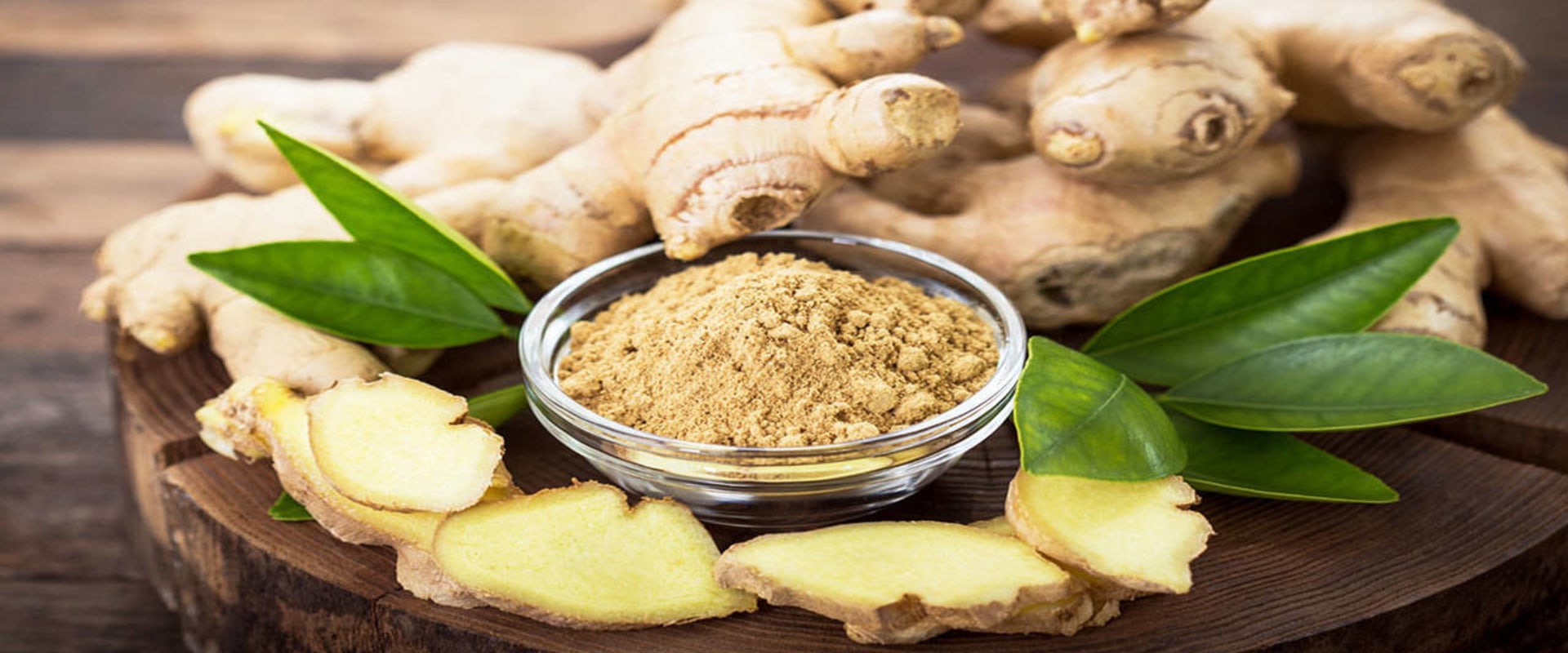
Ginger, a spice that has been cherished for centuries, is not only a culinary delight but also a powerhouse of health benefits. Known scientifically as Zingiber officinale, ginger is widely recognized for its ability to enhance digestion, reduce inflammation, and even alleviate nausea. However, one of the more intriguing aspects of ginger is its potential to warm the body, particularly in women. This warming effect can be attributed to the active compounds found in ginger, such as gingerols and shogaols, which are believed to stimulate circulation and promote thermogenesis.
Just as one might seek astrological forecasts for insights into their life, incorporating ginger into your diet can provide valuable health benefits. As we delve deeper into the world of ginger, it’s essential to consider the various forms in which it can be consumed. While fresh ginger root is commonly used in cooking and teas, Just as one might seek astrological forecasts for insights into their life, incorporating ginger into your diet can provide valuable health benefits. As we delve deeper into the world of ginger, it’s essential to consider the various forms in which it can be consumed. While fresh ginger root is commonly used in cooking and teas, ginger capsules have gained popularity as a convenient alternative. These capsules offer a concentrated dose of ginger's beneficial properties without the need for preparation or brewing. For those who may find the taste of ginger too strong or who are looking for an easy way to incorporate this superfood into their daily routine, ginger capsules present an effective solution. The question of whether ginger can genuinely warm a woman's body is not merely anecdotal; it is supported by scientific observations.
Studies have shown that consuming ginger can lead to an increase in body temperature, particularly in peripheral areas like the hands and feet. This thermogenic response can be particularly beneficial during colder months or for individuals who often feel chilly. Furthermore, the warming effects of ginger are not just limited to physical warmth; they also extend to promoting overall well-being by enhancing metabolic processes and improving blood circulation. In this article, we will explore the multifaceted health benefits of ginger, focusing on its warming effects and how ginger capsules can play a role in achieving these benefits. By understanding how this remarkable spice works within our bodies, we can better appreciate its value as a natural remedy and dietary supplement.
What Are Ginger Capsules?
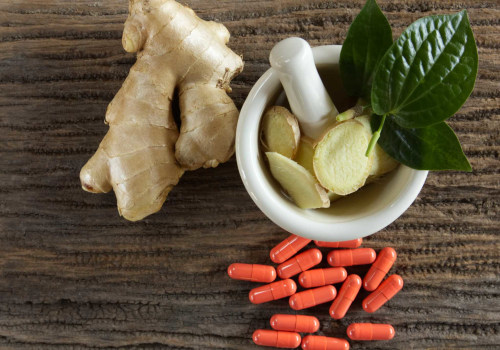
Ginger capsules
are dietary supplements that contain concentrated forms of ginger, typically derived from the root of the Zingiber officinale plant.
These capsules are designed to provide the health benefits of ginger in a convenient and easy-to-consume format. Unlike fresh ginger or ginger tea, which can require preparation and may not be suitable for everyone, ginger capsules offer a straightforward way to incorporate this powerful spice into your daily routine. The process of making ginger capsules generally involves drying and grinding the ginger root into a fine powder. This powder is then encapsulated in gelatin or vegetarian capsules, allowing for precise dosing and easy ingestion. The concentration of active compounds, such as gingerols and shogaols, is often higher in capsule form compared to fresh ginger, making them an effective option for those seeking specific health benefits.
Benefits of Ginger Capsules
Ginger capsules are popular for several reasons:-
Digestive Health: Ginger is well-known for its ability to aid digestion.
It can help alleviate symptoms of nausea, bloating, and indigestion. Many people find that taking ginger capsules can provide relief from these discomforts without the need for additional medications.
- Anti-Inflammatory Properties: The active compounds in ginger have potent anti-inflammatory effects. Regular consumption of ginger capsules may help reduce inflammation in the body, which is beneficial for individuals suffering from conditions like arthritis or muscle soreness.
- Immune Support: Ginger is rich in antioxidants, which can help bolster the immune system. By taking ginger capsules, individuals may enhance their body's ability to fight off infections and illnesses.
-
Thermogenic Effects: As mentioned earlier, ginger can stimulate thermogenesis, which may help increase body temperature and promote calorie burning.
This makes ginger capsules an appealing option for those looking to support their weight management efforts.
- Convenience: For those who dislike the taste of ginger or find it difficult to consume fresh ginger regularly, capsules provide a tasteless alternative that can easily fit into any lifestyle.
The Science Behind Ginger's Warming Properties
Ginger, a popular spice known for its culinary and medicinal properties, has been the subject of numerous studies aimed at understanding its effects on body temperature regulation. The warming sensation often associated with ginger consumption can be attributed to two primary mechanisms: thermogenesis and diaphoretic effects .Thermogenesis
refers to the process by which the body generates heat, particularly in response to food intake. When ginger is consumed, it stimulates the metabolism, leading to an increase in energy expenditure.
This metabolic boost is largely due to the active compounds found in ginger, such as gingerols and shogaols. These compounds have been shown to enhance thermogenic activity, which can result in a noticeable rise in body temperature. Research indicates that ginger can promote a state of thermogenesis even at lower doses when compared to other forms of ginger consumption, such as in baked goods or capsules. This is likely because the active components in ginger are more readily absorbed when consumed in liquid form, allowing for a quicker and more pronounced effect on body temperature. In addition to thermogenesis, ginger also exhibits diaphoretic effects , which means it can induce sweating. This is particularly beneficial during warmer months or after physical exertion.
When ginger is ingested, it can lead to an increase in perspiration as the body attempts to cool itself down. This dual action—warming the body while also promoting sweating—highlights ginger's unique ability to help regulate body temperature effectively. The diaphoretic properties of ginger are not only useful for cooling down but also play a role in detoxification. Sweating helps eliminate toxins from the body, contributing to overall health and well-being. Furthermore, this process can enhance circulation, ensuring that nutrients are efficiently delivered throughout the body. In summary, the warming properties of ginger are rooted in its ability to stimulate thermogenesis and induce sweating.
Understanding these mechanisms provides valuable insight into how ginger can be utilized not only for its flavor but also for its potential health benefits, particularly in regulating body temperature.
How Ginger Affects Women's Bodies Specifically
Ginger has long been celebrated for its numerous health benefits, but its effects on women's bodies are particularly noteworthy. Understanding how ginger interacts with female physiology can provide insights into its potential advantages for women's health. One of the most significant ways ginger impacts women is through its influence on hormonal balance. Ginger contains bioactive compounds such as gingerols and shogaols, which may help regulate estrogen levels. This regulation can be particularly beneficial for women experiencing hormonal fluctuations due to menstrual cycles, pregnancy, or menopause.By promoting hormonal balance, ginger may alleviate symptoms associated with premenstrual syndrome (PMS), such as mood swings, bloating, and cramps.
Menstrual Health
For many women, menstrual discomfort can be a monthly challenge. Ginger has been shown to possess anti-inflammatory properties that can help reduce pain during menstruation. A study indicated that women who consumed ginger capsules experienced a significant reduction in menstrual pain compared to those who took a placebo. This natural remedy offers a safer alternative to over-the-counter pain relievers, making it an appealing option for those seeking relief.Pregnancy and Nausea
During pregnancy, many women face nausea and vomiting, particularly in the first trimester.Ginger is often recommended as a natural remedy for morning sickness. Research suggests that ginger capsules can effectively reduce nausea and vomiting in pregnant women without posing risks to the mother or fetus. However, it is essential for pregnant women to consult their healthcare provider before incorporating ginger into their diet.
Bone Health
Another area where ginger may benefit women is in bone health. Studies have indicated that ginger may help improve bone density and reduce the risk of osteoporosis, a condition that disproportionately affects women post-menopause.The anti-inflammatory properties of ginger can also contribute to joint health, making it a valuable addition to the diets of women concerned about arthritis or joint pain. In summary, the effects of ginger on women's bodies are multifaceted and significant. From promoting hormonal balance and alleviating menstrual discomfort to supporting pregnancy and enhancing bone health, incorporating ginger capsules into a woman's health regimen can offer numerous benefits. As always, it is advisable to consult with a healthcare professional before starting any new supplement to ensure it aligns with individual health needs.
Ginger Capsules vs. Fresh Ginger: Which Is More Effective?
When it comes to incorporating ginger into your diet, the choice between ginger capsules and fresh ginger can significantly impact the effectiveness and benefits you experience.Both forms have their unique advantages, but understanding their differences is crucial for maximizing the health benefits of this powerful root.
Bioavailability and Absorption
One of the primary factors to consider is bioavailability, which refers to how well a substance is absorbed and utilized by the body. Fresh ginger contains a variety of bioactive compounds, including gingerols and shogaols, which are responsible for many of its health benefits. These compounds are more readily available in their natural form, allowing for better absorption when consumed as fresh ginger.
On the other hand, ginger capsules often contain concentrated extracts of ginger. While this can lead to higher doses of active ingredients, the encapsulation process may affect how well these compounds are absorbed.
Some studies suggest that the presence of other components in fresh ginger can enhance the absorption of its beneficial compounds, making fresh ginger potentially more effective in certain situations.
Dosage Differences
The recommended dosage also varies between fresh ginger and capsules. For fresh ginger, a common recommendation is to consume about 1-2 grams per day, which can be easily incorporated into meals or beverages. In contrast, ginger capsules typically contain standardized doses ranging from 500 mg to 1000 mg per capsule. This makes it easier to measure intake but may lead to overconsumption if not monitored carefully.
Personal Preferences and Consumption Methods
Your personal preference plays a significant role in determining which form of ginger is more suitable for you.
Fresh ginger can be used in various culinary applications, such as teas, smoothies, or as a spice in cooking. Its versatility allows for creative ways to enjoy its flavor and health benefits.
Conversely, ginger capsules offer convenience for those who may not enjoy the taste of ginger or find it challenging to incorporate into their diet. Capsules are easy to take on-the-go and provide a consistent dosage without the need for preparation.
Conclusion
Ultimately, whether you choose ginger capsules or fresh ginger depends on your individual needs and lifestyle. For those seeking maximum bioavailability and versatility in consumption, fresh ginger may be the better option.
However, if convenience and precise dosing are priorities, ginger capsules can be an effective alternative. Consider experimenting with both forms to discover which one best supports your health goals.
Recommended Dosage and Safety Considerations for Ginger Capsules
When considering the use of ginger capsules as a dietary supplement, understanding the appropriate dosage and safety measures is crucial for maximizing benefits while minimizing potential risks. Ginger, known for its numerous health benefits, can be consumed in various forms, including fresh root, tea, and capsules. However, the concentration of active compounds in capsules can vary significantly between products.Recommended Dosage
- The general recommendation for ginger supplementation is around 1,000 mg to 2,000 mg per day.
This dosage is typically divided into two or three doses throughout the day.
- For those using ginger capsules specifically for digestive issues or nausea, a lower dose of about 500 mg taken before meals may be effective.
- It is advisable to start with a lower dose to assess tolerance and gradually increase as needed.
Safety Considerations
While ginger is generally considered safe for most individuals when consumed in moderate amounts, there are several safety considerations to keep in mind:
- Pregnancy and Breastfeeding: Pregnant women should consult their healthcare provider before taking ginger supplements, as high doses may lead to complications.
- Blood Thinning Effects: Ginger has natural blood-thinning properties. Individuals on anticoagulant medications should exercise caution and consult their doctor before using ginger capsules.
- Gastrointestinal Issues: Some people may experience mild gastrointestinal discomfort, such as heartburn or diarrhea. If these symptoms occur, it may be wise to reduce the dosage or discontinue use.
-
Allergic Reactions: Although rare, some individuals may have an allergic reaction to ginger. Symptoms can include rash, itching, or difficulty breathing.
If any of these occur, seek medical attention immediately.
Conclusion
In summary, while ginger capsules can offer various health benefits, adhering to recommended dosages and being aware of safety considerations is essential for responsible use. Always consult with a healthcare professional before starting any new supplement regimen to ensure it aligns with your individual health needs.
Potential Side Effects and Interactions with Ginger Capsules
While ginger capsules are widely recognized for their numerous health benefits, it is crucial to be aware of potential side effects and interactions that may arise from their use. Understanding these factors can help ensure safe consumption and maximize the benefits of ginger.Common Side Effects
- Gastrointestinal Issues: Some individuals may experience digestive discomfort, including heartburn, diarrhea, or stomach upset after taking ginger capsules. These symptoms are often mild but can be bothersome for some users.
-
Allergic Reactions: Although rare, allergic reactions to ginger can occur.
Symptoms may include rash, itching, or difficulty breathing. If any of these symptoms arise, it is essential to seek medical attention immediately.
- Blood Thinning Effects: Ginger has natural anticoagulant properties, which can increase the risk of bleeding, especially in individuals taking blood-thinning medications. This effect is particularly important for those undergoing surgery or with bleeding disorders.
Interactions with Medications
Ginger capsules can interact with various medications, potentially altering their effectiveness or increasing the risk of side effects. Here are some key interactions to consider:
-
Anticoagulants: As mentioned earlier, ginger may enhance the effects of blood thinners such as warfarin or aspirin.
It is advisable to consult a healthcare provider before combining these medications with ginger supplements.
- Diabetes Medications: Ginger may lower blood sugar levels, which could lead to hypoglycemia when taken alongside diabetes medications. Monitoring blood sugar levels closely is recommended for those on such treatments.
- Antacids and Proton Pump Inhibitors: Ginger can stimulate gastric acid production, potentially interfering with the effectiveness of antacids or proton pump inhibitors used to treat acid reflux or ulcers.
Safety of Ginger Capsules
Generally, ginger capsules are considered safe for most people when taken in appropriate doses. The recommended daily intake typically does not exceed 4 grams of ginger per day. However, pregnant women and individuals with specific health conditions should consult a healthcare professional before starting any new supplement regimen. In conclusion, while ginger capsules offer various health benefits, being aware of potential side effects and interactions is essential for safe use.
Always consult with a healthcare provider if you have concerns about how ginger may affect your health or interact with your medications.
How to Incorporate Ginger Capsules into Your Daily Routine
Incorporating ginger capsules into your daily routine can be a straightforward and effective way to harness the numerous health benefits of ginger. Here are some practical tips to help you seamlessly integrate this supplement into your lifestyle.1.Choose the Right Time
- Consider taking ginger capsules in the morning to kickstart your metabolism and enhance digestion throughout the day.
- If you experience digestive discomfort or nausea, taking ginger capsules before meals may help alleviate these symptoms.
- For those looking to manage inflammation or muscle soreness post-exercise, consuming ginger capsules after your workout can be beneficial.
2.Pair with Food
- Taking ginger capsules with food can improve absorption and reduce the likelihood of gastrointestinal upset. Try pairing them with a meal rich in healthy fats, as this can enhance the bioavailability of ginger's active compounds.
- If you prefer a more holistic approach, consider incorporating fresh ginger into your meals alongside the capsules. This combination can amplify the health benefits while adding flavor to your dishes.
3.Stay Consistent
- To maximize the benefits of ginger capsules, consistency is key.
Aim to take them daily at the same time to establish a routine that becomes second nature.
- Keep track of how you feel after incorporating ginger into your diet. This can help you assess its impact on your overall well-being and adjust your intake as necessary.
4.Consult with a Healthcare Professional
- Before starting any new supplement regimen, including ginger capsules, it’s wise to consult with a healthcare provider, especially if you have existing health conditions or are taking medications.
- Your healthcare professional can provide personalized advice on dosage and timing based on your individual health needs.
5.Explore Different Forms
- If you find that ginger capsules are not suitable for you, consider other forms of ginger supplements such as powders or tinctures, which can also be easily incorporated into smoothies or teas.
- Experimenting with different forms may help you find what works best for your body and preferences.
FAQs About Ginger and Its Effects on Body Temperature
Ginger has been a topic of interest for many, especially regarding its effects on body temperature and overall health. Below are some frequently asked questions that delve into the warming properties of ginger and the use of ginger capsules.Does ginger really warm the body?
Yes, ginger is known for its warming properties. It contains compounds called gingerols and shogaols, which can stimulate blood circulation and promote a feeling of warmth.This is particularly beneficial during colder months when maintaining body temperature is essential. Many people consume ginger in various forms, including tea, fresh root, and ginger capsules, to harness these warming effects.
How do ginger capsules compare to fresh ginger?
Ginger capsules offer a convenient way to consume ginger without the need for preparation. They contain concentrated amounts of ginger extract, which can provide similar benefits to fresh ginger. However, the bioavailability may differ; some studies suggest that the body may absorb the active compounds in fresh ginger more effectively than in capsule form due to the presence of other nutrients and enzymes in the whole root.Can ginger help with cold hands and feet?
Yes, consuming ginger can help improve circulation, which may alleviate cold extremities.The warming effect of ginger can enhance blood flow to the hands and feet, making them feel warmer. This is particularly useful for individuals who often experience cold hands and feet due to poor circulation.
What is the recommended dosage for ginger capsules?
The recommended dosage for ginger capsules varies depending on individual health needs and the concentration of the extract. Generally, a daily intake of 1000 mg of fresh ginger is considered safe. For capsules, it’s advisable to follow the manufacturer's instructions or consult with a healthcare professional to determine the appropriate dosage based on your specific health goals.Are there any side effects associated with ginger?
While ginger is generally safe for most people when consumed in moderation, excessive intake can lead to side effects such as heartburn, diarrhea, or stomach upset.It’s important to monitor your body's response when taking ginger supplements, especially if you have underlying health conditions or are taking medications that may interact with ginger.
Can I take ginger capsules in summer?
Yes, you can take ginger capsules in summer; however, moderation is key. Ginger can induce sweating as a natural cooling mechanism for the body. Therefore, it’s advisable to adjust your intake based on how your body responds to heat during warmer months. In summary, incorporating ginger into your diet—whether through tea, fresh root, or ginger capsules—can provide numerous health benefits, including warming effects that may enhance comfort during colder seasons.Conclusion: The Role of Ginger in Women's Health and Wellness
In conclusion, the exploration of ginger's effects on women's health reveals a multifaceted approach to wellness that extends beyond mere warmth. The warming properties of ginger, particularly when consumed in forms such as ginger capsules or tea, can significantly enhance the body's thermogenic response, making it a valuable ally during colder months or for those who often feel chilly. Moreover, ginger's ability to stimulate digestion and promote metabolic processes is particularly beneficial for women.As highlighted by nutrition experts, the spice not only aids in alleviating digestive discomfort but also plays a role in regulating blood sugar levels. This is especially crucial for women managing conditions like type 2 diabetes or those seeking to maintain a healthy weight. Additionally, the diaphoretic nature of ginger means that it can help the body cool down during warmer months by inducing sweating. This duality—warming in winter and cooling in summer—makes ginger a versatile ingredient in any woman's health regimen. Furthermore, the anecdotal evidence surrounding ginger's effects on nausea, particularly during pregnancy or as a side effect of chemotherapy, underscores its importance in women's health. Many women have found relief through ginger's natural properties, making it a go-to remedy for various ailments. As we consider incorporating ginger into our daily routines, whether through ginger capsules, teas, or fresh root, it's essential to be mindful of dosage.
Experts recommend not exceeding 4 grams per day to avoid potential side effects while still reaping the benefits. In summary, ginger stands out as a powerful natural remedy that supports women's health through its warming effects and numerous other benefits. By understanding how to effectively utilize this spice, women can enhance their overall well-being and embrace a healthier lifestyle.
Continue readingTop Articles