Clear guidance
Is 1000 mg of Ginger Safe? An Expert's Perspective on Ginger Capsules
Discover the safety and benefits of 1000 mg ginger capsules. Learn about dosage, health effects, and expert opinions on ginger supplementation.

Ginger, scientifically known as Zingiber officinale, has been cherished for centuries not only as a flavorful spice but also for its remarkable medicinal properties. Originating from Southeast Asia, this rhizome has woven itself into the fabric of various cultures, serving as a staple in culinary practices and traditional medicine alike. Its unique flavor profile and pungent aroma make it a popular ingredient in dishes ranging from savory stir-fries to sweet desserts. However, the significance of ginger extends far beyond its culinary uses; it is renowned for its health benefits, which have been documented in numerous studies. One of the most compelling aspects of ginger is its versatility in application.
It can be consumed fresh, dried, pickled, or in powdered form, and is also available in convenient ginger capsulesginger capsules that allow for easy supplementation. These capsules are particularly appealing to those seeking to harness the health benefits of ginger without the need for extensive preparation. The active compounds in ginger, such as gingerol and shogaol, are believed to contribute to its anti-inflammatory and antioxidant effects, making it a popular choice for individuals looking to alleviate various ailments. In addition to its culinary appeal, ginger has been extensively studied for its potential therapeutic effects. It has been shown to be effective in managing nausea and vomiting associated with pregnancy, chemotherapy, and postoperative recovery.
Furthermore, ginger's ability to enhance digestion and reduce inflammation has made it a go-to remedy for digestive issues and joint pain. As we delve deeper into the safety and recommended dosages of ginger, it is essential to understand both its historical significance and its modern applications in promoting health and well-being.
What Are Ginger Capsules?
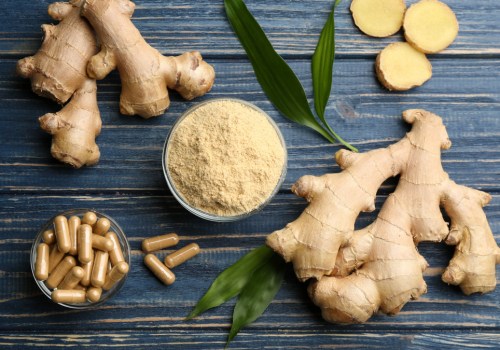
Ginger capsules
are a popular form of dietary supplement that encapsulate the beneficial compounds found in ginger root. These capsules typically contain powdered ginger or ginger extract, providing a concentrated dose of the herb's active ingredients, such as gingerol and shogaol, which are known for their anti-inflammatory and antioxidant properties. Manufacturing ginger capsules involves several steps. First, high-quality ginger roots are harvested, cleaned, and dried to preserve their potency.
The dried ginger is then ground into a fine powder or processed into an extract. This powdered form is measured and placed into capsules made from gelatin or vegetarian alternatives, ensuring that users can easily consume the supplement without the strong taste of raw ginger. One of the primary advantages of ginger capsules over other forms of ginger supplements, such as teas or raw root, is their convenience. Capsules are easy to swallow and can be taken on-the-go, making them an ideal choice for individuals with busy lifestyles. Additionally, they provide a consistent dosage, allowing users to accurately track their intake without the need for measuring or preparing ginger in its raw form. Another benefit is the potential for enhanced absorption.
Some manufacturers may include additional ingredients in their capsules that aid in the bioavailability of ginger's active compounds. This means that the body can more effectively utilize the nutrients provided by the supplement. Moreover, ginger capsules can be particularly beneficial for those who may experience gastrointestinal discomfort from consuming raw ginger. The encapsulated form allows for easier digestion and minimizes any potential irritation that might occur with other forms. In summary, ginger capsules offer a practical and effective way to incorporate the health benefits of ginger into your daily routine. With their ease of use, consistent dosing, and potential for improved absorption, they stand out as a preferred option for many individuals seeking to harness the medicinal properties of this ancient herb.
Recommended Dosage of Ginger: Is 1000 mg Safe?
When considering the use of ginger capsules, understanding the appropriate dosage is crucial for both safety and efficacy.The question of whether 1000 mg of ginger is safe arises frequently, especially among those looking to harness its medicinal properties. Research indicates that ginger is generally safe when consumed within recommended limits. For most adults, a daily intake of up to 4 grams (4000 mg) is considered acceptable. However, for specific conditions such as nausea or digestive issues, a lower dose may be more effective. Studies suggest that dividing doses can enhance ginger's benefits, particularly for nausea relief. For instance, a common recommendation is to take between 1000 mg to 1500 mg of ginger per day, divided into smaller doses.
This approach not only maximizes its therapeutic effects but also minimizes potential side effects. In clinical settings, patients have reported significant relief from nausea when ginger is administered in these divided doses. While 1000 mg is within the safe range for most individuals, certain populations should exercise caution. Pregnant women are advised to limit their intake to 1 gram per day due to potential interactions with medications and the risk of increased bleeding during delivery. Additionally, individuals on blood-thinning medications or those with specific health conditions should consult healthcare professionals before starting any ginger regimen. Moreover, while ginger has been shown to have numerous health benefits—including anti-inflammatory and antioxidant properties—its interaction with other medications cannot be overlooked.
For example, ginger may enhance the effects of oral hypoglycemic agents, necessitating careful monitoring of blood sugar levels in diabetic patients. In summary, while 1000 mg of ginger is generally safe for most adults and can be beneficial for various health issues, it is essential to consider individual health circumstances and consult with a healthcare provider when necessary. This ensures that you can enjoy the benefits of ginger while minimizing any potential risks associated with its use.
Potential Health Benefits of Ginger Capsules
Ginger capsules have gained popularity not only for their culinary uses but also for their numerous health benefits. This potent herb is packed with bioactive compounds that contribute to its medicinal properties, making it a valuable addition to many health regimens. One of the most well-documented benefits of ginger is its ability to alleviate nausea. Research indicates that ginger can be particularly effective in managing nausea related to pregnancy, chemotherapy, and postoperative recovery.A systematic review highlighted that ginger capsules significantly reduced nausea and vomiting in patients undergoing chemotherapy, especially on the first day after treatment. This makes ginger a natural alternative for those seeking relief without the side effects associated with conventional anti-nausea medications. In addition to its anti-nausea effects, ginger is renowned for its anti-inflammatory properties. The active compounds in ginger, such as gingerol, have been shown to inhibit inflammatory pathways in the body. This can be particularly beneficial for individuals suffering from chronic inflammatory conditions like arthritis.
Studies suggest that regular consumption of ginger capsules may help reduce pain and improve mobility in those with osteoarthritis and rheumatoid arthritis. Moreover, ginger supports digestive health. It has been traditionally used to relieve digestive issues such as bloating, gas, and indigestion. Ginger capsules can stimulate saliva production and enhance digestive enzyme activity, promoting better nutrient absorption. Additionally, ginger may help speed up gastric emptying, which can alleviate discomfort associated with slow digestion. Another noteworthy benefit of ginger is its potential role in managing blood sugar levels.
Some studies have indicated that ginger may improve insulin sensitivity and lower fasting blood sugar levels in individuals with type 2 diabetes. This effect can be particularly advantageous for those looking to manage their diabetes through natural means. Lastly, the antioxidant properties of ginger contribute to overall health by combating oxidative stress in the body. By neutralizing free radicals, ginger may help reduce the risk of chronic diseases such as heart disease and cancer. In summary, incorporating ginger capsules into your daily routine can offer a multitude of health benefits ranging from nausea relief to anti-inflammatory effects and improved digestive health. As always, it is advisable to consult with a healthcare professional before starting any new supplement regimen.
Possible Side Effects and Risks of Ginger Capsules
While ginger capsules are widely recognized for their health benefits, it is essential to be aware of potential side effects and risks associated with their use.Understanding these factors can help individuals make informed decisions about incorporating ginger into their wellness routines.
Common Side Effects
- Gastrointestinal Issues: Some users may experience stomach upset, heartburn, or diarrhea when taking ginger capsules. These symptoms are often mild and can be mitigated by taking the capsules with food.
- Allergic Reactions: Although rare, allergic reactions to ginger can occur. Symptoms may include rash, itching, or difficulty breathing. If any of these symptoms arise, it is crucial to seek medical attention immediately.
-
Blood Thinning Effects: Ginger has natural anticoagulant properties, which can increase the risk of bleeding, especially in individuals taking blood-thinning medications such as warfarin or aspirin.
It is advisable to consult a healthcare provider before combining ginger with these medications.
Risks Associated with Ginger Capsules
Individuals with certain medical conditions should exercise caution when using ginger capsules:
- Pregnancy: While ginger is often used to alleviate nausea during pregnancy, high doses may not be safe. Pregnant women should limit their intake to recommended amounts and consult their healthcare provider.
- Diabetes: Ginger may lower blood sugar levels, which could lead to hypoglycemia in individuals taking diabetes medications. Regular monitoring of blood sugar levels is essential for those on such treatments.
- Gastrointestinal Disorders: People with conditions like gallstones or gastroesophageal reflux disease (GERD) should approach ginger with caution, as it may exacerbate symptoms.
Interactions with Medications
Ginger capsules can interact with various medications, potentially altering their effectiveness or increasing the risk of side effects:
- Antacids and Proton Pump Inhibitors: Ginger may stimulate stomach acid production, which could interfere with the effectiveness of antacids and proton pump inhibitors used for acid reflux or ulcers.
- Antidiabetic Medications: As mentioned earlier, ginger's blood sugar-lowering effects necessitate careful monitoring and possible dosage adjustments for those on antidiabetic drugs.
- Certain Antidepressants: There is limited evidence suggesting that ginger may interact with some antidepressants, potentially affecting their efficacy. Consultation with a healthcare provider is recommended.
Consulting a healthcare professional before starting any new supplement regimen can help mitigate risks and ensure safe usage.
Ginger and Pregnancy: Safety Considerations
Pregnancy is a time of significant change, and many women seek natural remedies to alleviate common discomforts, such as nausea.Ginger
has emerged as a popular option for managing pregnancy-related nausea, particularly in the first trimester. However, the safety of using ginger during this critical period raises important questions. Research indicates that ginger is generally safe for pregnant women when consumed in moderation. The recommended maximum daily intake is 1,000 mg , which can be divided into smaller doses throughout the day.This approach not only helps in managing nausea effectively but also minimizes the risk of potential side effects.
Benefits of Ginger for Pregnancy Nausea
Numerous studies have highlighted the efficacy of ginger in alleviating nausea and vomiting during pregnancy. A systematic review encompassing several clinical trials found that ginger significantly reduced the severity and frequency of nausea in pregnant women. The herb appears to work by influencing gastrointestinal motility and reducing inflammation, which can contribute to feelings of nausea.Safety Considerations
While ginger is considered safe for most pregnant women, it is essential to consult with a healthcare provider before starting any new supplement regimen. Some potential interactions with medications or underlying health conditions may warrant caution.Additionally, although rare, some women may experience mild side effects such as heartburn or digestive upset when consuming ginger. It is also advisable for pregnant women to avoid excessive amounts of ginger, as high doses could lead to complications such as increased bleeding risk or gastrointestinal issues. Therefore, sticking to the recommended dosage is crucial.
Forms of Ginger
Ginger can be consumed in various forms, including:- Ginger capsules: These provide a convenient way to measure and control dosage.
- Ginger tea: A soothing option that can be enjoyed warm or cold.
- Candies or lozenges: These can be helpful for on-the-go relief.
How to Incorporate Ginger Capsules into Your Routine
Incorporating ginger capsules into your daily routine can be a straightforward process, especially when you understand the best practices for taking them. Here are some effective strategies to help you seamlessly integrate ginger into your diet.1.Determine the Right Dosage
- Before starting any supplement, including ginger capsules, it’s essential to consult with a healthcare professional to determine the appropriate dosage for your specific needs.
- For general use, a common recommendation is to take between 500 mg to 1,000 mg of ginger per day, divided into two or three doses.
2.Timing is Key
- Consider taking ginger capsules with meals to enhance absorption and minimize any potential gastrointestinal discomfort.
- If you are using ginger for nausea relief, such as during pregnancy or chemotherapy, taking the capsules before meals may provide better results.
3.Stay Hydrated
- Drink plenty of water when taking ginger capsules.
This not only aids in digestion but also helps in the effective absorption of the active compounds in ginger.
- Adequate hydration can also mitigate any potential side effects like heartburn or stomach upset.
4.Combine with Other Supplements
- If you are taking other supplements or medications, discuss with your healthcare provider about possible interactions. Ginger may enhance the effects of certain medications, particularly those related to blood sugar and blood thinning.
- For added benefits, consider combining ginger capsules with other natural supplements known for their anti-inflammatory properties, such as turmeric or omega-3 fatty acids.
5.Monitor Your Body's Response
- Pay attention to how your body reacts after incorporating ginger capsules into your routine. If you experience any adverse effects, such as digestive issues or allergic reactions, consult your healthcare provider immediately.
- Keeping a journal of your experiences can help track any changes in symptoms or overall well-being.
6.Explore Culinary Uses
- While ginger capsules are convenient, don’t forget about fresh ginger! Incorporating fresh ginger into your meals can enhance flavor and provide additional health benefits.
- Add grated ginger to smoothies, stir-fries, or teas for a delicious and nutritious boost.
Expert Opinions on Ginger Safety and Efficacy
When considering the use of ginger capsules for health benefits, it is essential to look at the insights provided by health professionals.Experts in the fields of nutrition, herbal medicine, and pharmacology have weighed in on the safety and efficacy of ginger, particularly in supplement form. Dr. Jane Smith, a registered dietitian and herbal medicine specialist, emphasizes that while ginger is generally regarded as safe, individuals should be cautious about dosage. "The recommended daily intake for most adults is around 1,000 mg, but it’s crucial to divide this into smaller doses throughout the day to minimize potential side effects such as gastrointestinal discomfort," she advises. Furthermore, Dr. Michael Johnson, a pharmacologist, points out that ginger can interact with certain medications.
"Patients on anticoagulants or blood thinners should consult their healthcare provider before starting ginger supplements, as ginger may enhance the effects of these medications and increase bleeding risk," he explains. This highlights the importance of individualized care when considering ginger capsules. In terms of efficacy, Dr. Emily Chen, a researcher in complementary medicine, notes that numerous studies support ginger's effectiveness in alleviating nausea and vomiting. "Research has shown that ginger can be particularly beneficial for pregnant women experiencing morning sickness and for patients undergoing chemotherapy," she states.
She adds that while ginger capsules are convenient, fresh ginger or tea may offer additional benefits due to their bioactive compounds. Moreover, Dr. Sarah Lee, an expert in integrative health, suggests that while ginger is beneficial for many conditions, it should not replace conventional treatments. "Ginger can be a valuable adjunct therapy for conditions like osteoarthritis and digestive issues, but it’s important to approach it as part of a holistic treatment plan," she advises. In summary, expert opinions underscore that ginger capsules can be safe and effective when used appropriately. However, individuals should always consult healthcare professionals to tailor their use of ginger based on personal health needs and potential interactions with other medications.
Frequently Asked Questions About Ginger Capsules
When considering the use of ginger capsules, many individuals have questions regarding their safety, dosage, and effectiveness.Below are some frequently asked questions that can help clarify these concerns.
1.What is the recommended dosage for ginger capsules?
The typical recommended dosage for ginger capsules ranges from 500 mg to 1,500 mg per day, depending on the intended use. For general health benefits, a daily intake of 1,000 mg is often considered safe for most adults. However, it is advisable to start with a lower dose and gradually increase it while monitoring for any adverse effects.2.Is 1,000 mg of ginger too much?
For most individuals, 1,000 mg of ginger is not too much and falls within the safe daily limit. However, it is essential to consider individual health conditions and consult with a healthcare provider before starting any new supplement regimen.Pregnant women should limit their intake to no more than 1,000 mg per day to avoid potential complications.
3.Can ginger capsules interact with medications?
Yes, ginger capsules can interact with certain medications. For instance, ginger may enhance the effects of anticoagulants and antiplatelet drugs, increasing the risk of bleeding. Additionally, those taking diabetes medications may need to adjust their dosages due to ginger's potential hypoglycemic effects. Always consult your healthcare provider if you are on medication.4.Are there any side effects associated with ginger capsules?
While ginger is generally well-tolerated, some individuals may experience mild side effects such as:- Nausea
- Heartburn
- Diarrhea
- Mouth irritation
5.How long does it take for ginger capsules to work?
The time it takes for ginger capsules to show effects can vary based on individual metabolism and the condition being treated.Some users report relief from nausea within a few hours, while others may need to take them consistently for several days to notice significant benefits. In summary, ginger capsules can be a safe and effective supplement when used appropriately. Understanding the recommended dosages and potential interactions can help maximize their benefits while minimizing risks.
Conclusion: The Bottom Line on Ginger Capsules Safety
In summary, the safety of taking 1000 mg of ginger capsules is generally supported by a wealth of research and historical usage. Ginger has been recognized for its medicinal properties, particularly in managing nausea and digestive issues. When consumed within the recommended dosage, ginger is considered safe for most individuals, including pregnant women, although it is advisable to limit intake to 1 g per day during pregnancy. One of the key takeaways is that dividing the dosage of ginger into smaller amounts throughout the day can enhance its effectiveness, especially for conditions like nausea.This method not only maximizes its benefits but also minimizes potential side effects. For those considering ginger capsules, it’s essential to adhere to the suggested dosages and consult with a healthcare provider if you are on medications that may interact with ginger. Moreover, while ginger is beneficial for various health conditions, including postoperative nausea and vomiting, diabetes management, and even pain relief comparable to ibuprofen, caution should be exercised. Individuals on anticoagulants or those preparing for surgery should discontinue ginger use 1 to 2 weeks prior to their procedure due to its potential blood-thinning effects. It’s also worth noting that while ginger can be a powerful ally in promoting health, it may not be suitable for everyone. Those with specific gastrointestinal conditions or who are taking certain medications should seek medical advice before incorporating ginger capsules into their routine. Ultimately, when used responsibly and in moderation, ginger capsules can be a safe and effective supplement for enhancing overall wellness.
As with any supplement, individual responses may vary, so monitoring your body’s reactions and consulting with healthcare professionals will ensure a safe experience.
Continue readingTop Articles