Clear guidance
Ginger Capsules for Inflammation: Daily Dosage and Benefits
Discover the benefits of ginger capsules for inflammation, including recommended daily dosages and potential side effects.
Inflammation is a complex biological response that occurs when the body encounters harmful stimuli, such as pathogens, damaged cells, or irritants. It serves as a protective mechanism, initiating healing processes and combating infections. However, inflammation can be classified into two main types: acute and chronic. Acute inflammation is a short-term response that typically resolves once the underlying issue is addressed, while chronic inflammation persists over time and can lead to various health complications. The impact of chronic inflammation on health is profound and far-reaching.
It has been linked to a myriad of serious conditions, including heart disease, diabetes, cancer, and autoimmune disorders. When the body remains in a state of prolonged inflammation, it can cause damage to tissues and organs, leading to a decline in overall health. Understanding the causes of inflammation is crucial for managing its effects effectively. Common triggers include poor diet, lack of exercise, stress, and exposure to environmental toxins. In recent years, there has been a growing interest in natural remedies for managing inflammation.
Among these remedies, ginger has emerged as a powerful ally due to its anti-inflammatory properties. This spice has been used for centuries in traditional medicine and is now gaining recognition in modern health practices. By incorporating ginger into your daily routine, particularly in the form of ginger capsules, you may find a natural way to combat inflammation and improve your overall well-being.
What is Ginger and How Does It Work?
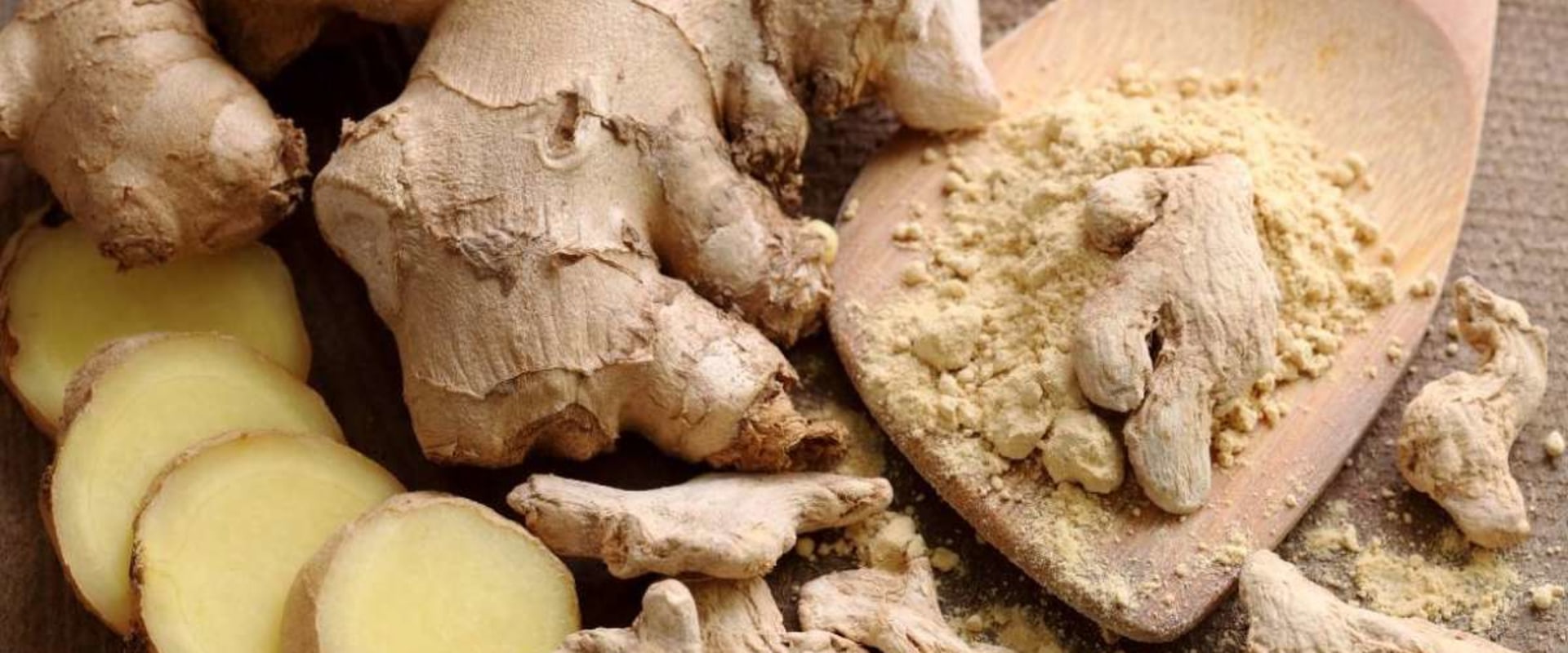
Ginger, scientifically known as Zingiber officinale, is a flowering plant that belongs to the family Zingiberaceae. Its rhizome, commonly referred to as ginger root, has been used for centuries in traditional medicine and culinary practices across various cultures.Originating from Southeast Asia, ginger has made its way into kitchens and medicine cabinets worldwide due to its remarkable health benefits. The active compounds in ginger are primarily responsible for its anti-inflammatory properties. Among these compounds, gingerol is the most notable. This bioactive component is known for its potent antioxidant effects, which help combat oxidative stress in the body. Oxidative stress is a significant contributor to inflammation and various chronic diseases.
By neutralizing free radicals, gingerol plays a crucial role in reducing inflammation and promoting overall health. Another important compound found in ginger is shogaol , which is formed when ginger is dried or cooked. Shogaol has been shown to possess even stronger anti-inflammatory effects than gingerol, making it a valuable ally in managing inflammatory conditions. Additionally, ginger contains other beneficial compounds such as zingiberene and paradols , which also contribute to its therapeutic properties. The mechanism by which ginger exerts its anti-inflammatory effects involves several pathways. Research indicates that ginger can inhibit the production of pro-inflammatory cytokines, which are signaling molecules that promote inflammation in the body.
By modulating these cytokines, ginger helps to reduce swelling and pain associated with inflammatory conditions. Furthermore, ginger has been found to enhance the activity of certain enzymes that play a role in breaking down inflammatory substances. This dual action—both inhibiting inflammation and promoting its resolution—makes ginger a powerful natural remedy for those suffering from conditions like arthritis, muscle pain, and other inflammatory disorders. In summary, the origins of ginger as a medicinal plant are deeply rooted in history, and its active compounds work synergistically to provide significant anti-inflammatory benefits. Incorporating ginger into your daily routine, whether through fresh root, powdered form, or ginger capsules, can be an effective strategy for managing inflammation and enhancing overall health.
The Science Behind Ginger and Inflammation
Ginger has been the subject of numerous scientific studies, particularly regarding its potential anti-inflammatory properties. Research indicates that ginger contains bioactive compounds, such as gingerol, which are believed to play a significant role in reducing inflammation in the body. One notable study published in the Journal of Pain examined the effects of ginger on muscle pain induced by exercise.Participants who consumed ginger capsules experienced a significant reduction in pain compared to those who received a placebo. This suggests that ginger may not only alleviate chronic inflammation but also help with acute inflammatory responses. Another clinical trial published in Arthritis & Rheumatology focused on patients with osteoarthritis. The study found that participants taking 500 mg of ginger extract daily reported decreased pain and improved joint function over a 12-week period. This reinforces the idea that ginger capsules can be an effective supplement for those suffering from inflammatory joint conditions. Furthermore, a meta-analysis of several studies highlighted that ginger supplementation could lead to significant reductions in markers of inflammation, such as C-reactive protein (CRP) and interleukin-6 (IL-6).
These markers are commonly associated with chronic inflammatory diseases, including heart disease and diabetes. In addition to its effects on joint pain and muscle soreness, ginger has also shown promise in reducing inflammation related to gastrointestinal disorders. A study published in World Journal of Gastroenterology indicated that ginger could help alleviate symptoms of inflammatory bowel disease (IBD) by modulating inflammatory pathways. While the evidence supporting the anti-inflammatory effects of ginger is compelling, it is essential to consider individual responses to supplementation. Factors such as dosage, form (fresh root vs. capsules), and personal health conditions can influence outcomes.
Therefore, consulting with a healthcare provider before starting any new supplement regimen is advisable. In summary, the scientific literature supports the use of ginger capsules as a natural remedy for inflammation. With ongoing research, we continue to uncover the full potential of this remarkable spice in promoting health and well-being.
Recommended Dosage of Ginger Capsules for Inflammation
When considering the use of ginger capsules for inflammation, understanding the appropriate dosage is crucial for maximizing benefits while minimizing potential side effects. Research indicates that ginger can be an effective natural anti-inflammatory agent, but the optimal dosage can vary based on individual health needs and specific conditions. For general inflammation management, a common recommendation is to start with a daily intake of around 200 mg of ginger. This lower dose allows your body to adjust to the supplement and helps to gauge any potential side effects.Once you have established tolerance, you may gradually increase your intake.
Experts often suggest a range of 500 mg to 1,000 mg per day for more pronounced anti-inflammatory effects. In clinical studies, participants have taken doses as high as 2,000 mg daily without significant adverse effects. However, it is essential to note that exceeding 4,000 mg per day is not recommended due to the risk of gastrointestinal discomfort and other side effects.
For specific conditions such as osteoarthritis, research has shown that taking 250 mg of ginger capsules four times a day can lead to noticeable improvements in pain and stiffness. This regimen totals 1,000 mg daily and aligns with findings from randomized controlled trials that highlight ginger's efficacy in reducing inflammation.
Key Points to Consider:
- Start with a lower dose: Begin with 200 mg per day to assess tolerance.
- Gradually increase: If well-tolerated, consider increasing to 500-1,000 mg daily.
- Avoid high doses: Do not exceed 4,000 mg per day to prevent adverse effects.
- Consult a healthcare provider: Always discuss with a healthcare professional before starting any new supplement regimen.
By starting low and adjusting as needed, you can harness the benefits of ginger safely and effectively.
How to Incorporate Ginger Capsules into Your Daily Routine
Incorporating ginger capsules into your daily routine can be a straightforward process, especially when you consider a few practical tips to maximize their benefits. Here are some effective strategies to help you seamlessly integrate ginger supplements into your lifestyle.Timing Your Dosage
One of the most important aspects of taking ginger capsules is timing. To achieve optimal results, consider the following:- Morning Routine: Taking your first dose in the morning can help kickstart your metabolism and provide anti-inflammatory benefits throughout the day. Pairing it with breakfast can enhance absorption.
- Pre-Workout: If you engage in physical activity, consuming ginger capsules about 30 minutes before your workout may help reduce muscle soreness and inflammation.
- Evening Dose: For those who experience discomfort or stiffness at night, taking a dose before bed can aid in recovery while you sleep.
Pairing with Other Foods or Supplements
To enhance the effects of ginger capsules, consider pairing them with other foods or supplements:- Tumeric: Known for its anti-inflammatory properties, turmeric can complement ginger's effects.
Taking both together may provide enhanced relief from inflammation.
- Citrus Fruits: Consuming ginger capsules with a glass of orange or lemon juice can improve absorption due to the vitamin C content, which aids in nutrient uptake.
- Healthy Fats: Pairing ginger with healthy fats, such as avocado or olive oil, can also enhance absorption since ginger is fat-soluble.
Establishing a Routine
Creating a consistent routine around your ginger capsule intake can help ensure you don’t forget to take them. Here are some tips:- Set Reminders: Use your phone or a planner to set daily reminders for when to take your capsules.
- Keep Them Visible: Store your ginger capsules in a place where you will see them regularly, such as next to your toothbrush or on the kitchen counter.
- Create a Ritual: Incorporate taking your ginger capsules into an existing daily habit, like having coffee or tea in the morning.
Potential Side Effects and Precautions When Taking Ginger Capsules
While ginger capsules are widely recognized for their anti-inflammatory properties and potential health benefits, it is essential to be aware of possible side effects and precautions before incorporating them into your daily routine.Common Side Effects
- Gastrointestinal Issues: One of the most frequently reported side effects of ginger is gastrointestinal discomfort. This can manifest as heartburn, diarrhea, or general stomach upset. If you experience these symptoms, consider reducing your dosage or taking ginger with food to mitigate these effects.
- Allergic Reactions: Although rare, some individuals may experience allergic reactions to ginger.
Symptoms can include rash, itching, or difficulty breathing. If you notice any of these signs after taking ginger capsules, discontinue use immediately and consult a healthcare professional.
- Blood Thinning Effects: Ginger has natural blood-thinning properties, which can be beneficial for some but may pose risks for others. If you are on anticoagulant medications or have a bleeding disorder, consult your doctor before starting ginger supplementation.
Precautions to Consider
- Pregnancy and Breastfeeding: Ginger is generally considered safe for pregnant women when consumed in moderate amounts. However, high doses should be avoided as they may lead to complications.
Always consult with a healthcare provider before taking ginger capsules during pregnancy or while breastfeeding.
- Pre-existing Conditions: Individuals with certain medical conditions, such as gallstones or diabetes, should exercise caution when taking ginger. Ginger can stimulate bile production and may affect blood sugar levels, so it’s crucial to discuss this with your healthcare provider.
- Surgery Considerations: Due to its blood-thinning properties, it is advisable to stop taking ginger supplements at least two weeks before any scheduled surgery to minimize the risk of excessive bleeding.
Who Should Avoid Ginger?
If you have a known allergy to ginger or any related plants in the Zingiberaceae family, it is best to avoid ginger capsules altogether. Additionally, individuals with specific health concerns or those taking certain medications should consult their healthcare provider before starting any new supplement regimen. In summary, while ginger capsules can offer numerous health benefits, being aware of potential side effects and taking necessary precautions is vital for safe consumption. Always listen to your body and seek professional advice when in doubt.
Comparing Ginger Capsules with Other Forms of Ginger
When considering how to incorporate ginger into your daily routine for its anti-inflammatory benefits, it's essential to evaluate the various forms available.Each form of ginger—whether in capsules, fresh root, powdered supplements, or teas—offers unique advantages and potential drawbacks.
Ginger Capsules
Ginger capsules
are a popular choice for those seeking a convenient and concentrated dose of ginger. They typically contain powdered ginger root and provide a standardized amount of active compounds, such as gingerol, which are responsible for its health benefits. One of the primary advantages of capsules is their ease of use; they can be taken without the need for preparation or cooking. This makes them an excellent option for individuals with busy lifestyles or those who may not enjoy the taste of ginger.
Fresh Ginger Root
Fresh ginger root is another excellent option, known for its vibrant flavor and aroma.It can be grated, sliced, or brewed into teas. One significant benefit of using fresh ginger is that it contains a higher concentration of certain volatile oils and nutrients that may be lost during processing. However, preparing fresh ginger can be time-consuming, and its flavor may not appeal to everyone. Additionally, measuring the exact dosage can be challenging compared to capsules.
Powdered Ginger Supplements
Powdered ginger supplements offer a middle ground between fresh ginger and capsules.They can be easily added to smoothies, baked goods, or even sprinkled on meals. This form retains many of the beneficial properties of fresh ginger while providing more versatility in how it can be consumed. However, like fresh ginger, it may require careful measurement to ensure you are getting an effective dose.
Ginger Teas
Ginger tea is another popular way to enjoy the benefits of this powerful root. It is often made by steeping fresh or dried ginger in hot water.While tea can be soothing and hydrating, it may not deliver the same concentrated dose as capsules or powdered supplements. Additionally, the effectiveness can vary based on brewing time and the amount of ginger used.
Conclusion
Ultimately, the choice between ginger capsules, fresh root, powdered supplements, and teas depends on personal preference and lifestyle. For those seeking convenience and precise dosing, capsules may be the best option. However, if you enjoy cooking or prefer natural forms of consumption, fresh ginger or powdered supplements could be more appealing.Regardless of the form you choose, incorporating ginger into your daily routine can provide significant health benefits.
Frequently Asked Questions About Ginger for Inflammation
When it comes to using ginger for inflammation, many people have questions about its effectiveness, dosage, and potential side effects. Here are some of the most frequently asked questions regarding ginger and its role in managing inflammation.1.How does ginger help with inflammation?
Ginger contains bioactive compounds such as gingerol, which have been shown to possess anti-inflammatory properties. These compounds can inhibit the production of inflammatory markers in the body, making ginger a valuable addition to an anti-inflammatory diet.2.What is the recommended dosage of ginger capsules for inflammation?
For those looking to manage inflammation, a common recommendation is to take between 500 mg to 1,000 mg of ginger capsules daily. It’s advisable to start with a lower dose, such as 200 mg per day, and gradually increase it based on your body's response.However, it’s crucial not to exceed 4,000 mg (4 grams) per day.
3.Are there any side effects associated with ginger?
While ginger is generally safe for most people, some may experience mild side effects such as:- Heartburn
- Diarrhea
- Stomach discomfort
4.Can pregnant women take ginger for inflammation?
Yes, pregnant women can safely consume ginger in moderate amounts. It is often recommended for alleviating nausea during pregnancy. However, it’s always best to consult with a healthcare provider before adding any new supplements to your routine.5.How long does it take for ginger to reduce inflammation?
The time it takes for ginger to show effects can vary from person to person. Some studies suggest that noticeable improvements in pain and stiffness may occur within a few weeks of consistent use.Regular consumption is key to experiencing its full benefits. Incorporating ginger capsules into your daily routine can be an effective way to manage inflammation naturally. Always consider consulting with a healthcare professional for personalized advice tailored to your specific health needs.
Conclusion: Embracing Ginger for a Healthier Life
In conclusion, incorporating ginger capsules into your daily routine can be a powerful strategy for managing inflammation and enhancing overall health. As we have explored, ginger is not just a flavorful spice; it is a potent natural remedy with a long history of medicinal use. Its anti-inflammatory properties make it particularly beneficial for individuals suffering from conditions such as arthritis, muscle pain, and other inflammatory disorders. To effectively harness the benefits of ginger, it is essential to understand the appropriate dosage.Research suggests that a daily intake of 250 mg of ginger capsules taken three to four times a day can yield significant improvements in pain and stiffness associated with osteoarthritis. Starting with a lower dose of around 200 mg and gradually increasing it allows your body to adjust while minimizing potential side effects. Moreover, the versatility of ginger means that it can be easily integrated into various aspects of your diet. Whether consumed in capsule form, as fresh root in smoothies, or as a spice in cooking, ginger offers numerous ways to enhance your meals while reaping its health benefits. It is also important to consider individual tolerance levels. While ginger is generally safe for most people, some may experience mild gastrointestinal discomfort.
Therefore, monitoring your body's response and adjusting the dosage accordingly is crucial. As you contemplate adding ginger capsules to your health regimen, remember that consistency is key. Regular consumption can lead to cumulative benefits over time, making it an effective long-term strategy for inflammation management. In summary, embracing ginger as part of your daily routine not only supports inflammation reduction but also contributes to overall wellness. With its rich array of health benefits and minimal side effects, ginger capsules are a valuable addition to any health-conscious lifestyle.